
| 🎮 Key Points | Details to Remember |
| 🔍 Definition | Emulation 2025 encompasses software and techniques to run old games on modern hardware. |
| 💾 Major Emulators | PCSX2 2.0, Dolphin, Yuzu, Ryujinx offer solid compatibility and regular updates. |
| ⚖️ Legality | Dump and fair use regulate the use of ROMs in many countries, but gray areas remain. |
| 📱 Portability | Android and Steam Deck have become preferred platforms for mobile retro gaming. |
| 🚀 Trends | AI Upscaling, advanced shaders, and rollback netplay drive the future of emulation. |
Emulation has spanned decades by constantly reinventing itself: from early rudimentary versions to the ultra-powerful solutions of 2025, the challenge remains the same — preserving video game heritage while adapting to evolving hardware. Today, enthusiasts juggle legality, raw power, and ease of use, embarking on what some already call the “golden age of retro gaming.”
Sommaire
Legality & Ethics
Extracting a dump from a cartridge or disc to make your own backup often falls under fair use, but regulations vary by region. The mandatory step to legalize your ROMs follows a strict framework: you must own the original, document the archiving, and not distribute the copies.
“ Some collectors advocate for the creation of a dedicated legal framework, hoping for recognition of the heritage status of games. ”
Beyond simple dumping, ethics also come into play with the use of mods, cheat codes, and peer-to-peer networks: anything beyond pure preservation often falls into gray areas.
Roundtable of Major Emulators
| Emulator | Strengths | Limitations |
|---|---|---|
| PCSX2 2.0 | **English**: multi-thread optimization, native 4K upscaling | Configuration sometimes complex depending on the graphics card |
| Dolphin | Large GameCube/Wii catalog, support for modern controllers | Some network synchronization bugs in netplay |
| Yuzu vs Ryujinx | Advanced shader rendering, near-perfect compatibility | Frame rate can drop on demanding titles |
| Citra | Smooth 3DS emulation, shader modding | Not yet optimized for some exclusive eShop titles |
While PCSX2 2.0 stands out for its impressive performance on PS2 titles, Dolphin retains its place thanks to its intuitive interface. The Yuzu vs Ryujinx duel illustrates the rise of the Switch scene, while Citra remains essential for Nintendo portable games.
Portable Emulation (Android, Steam Deck)
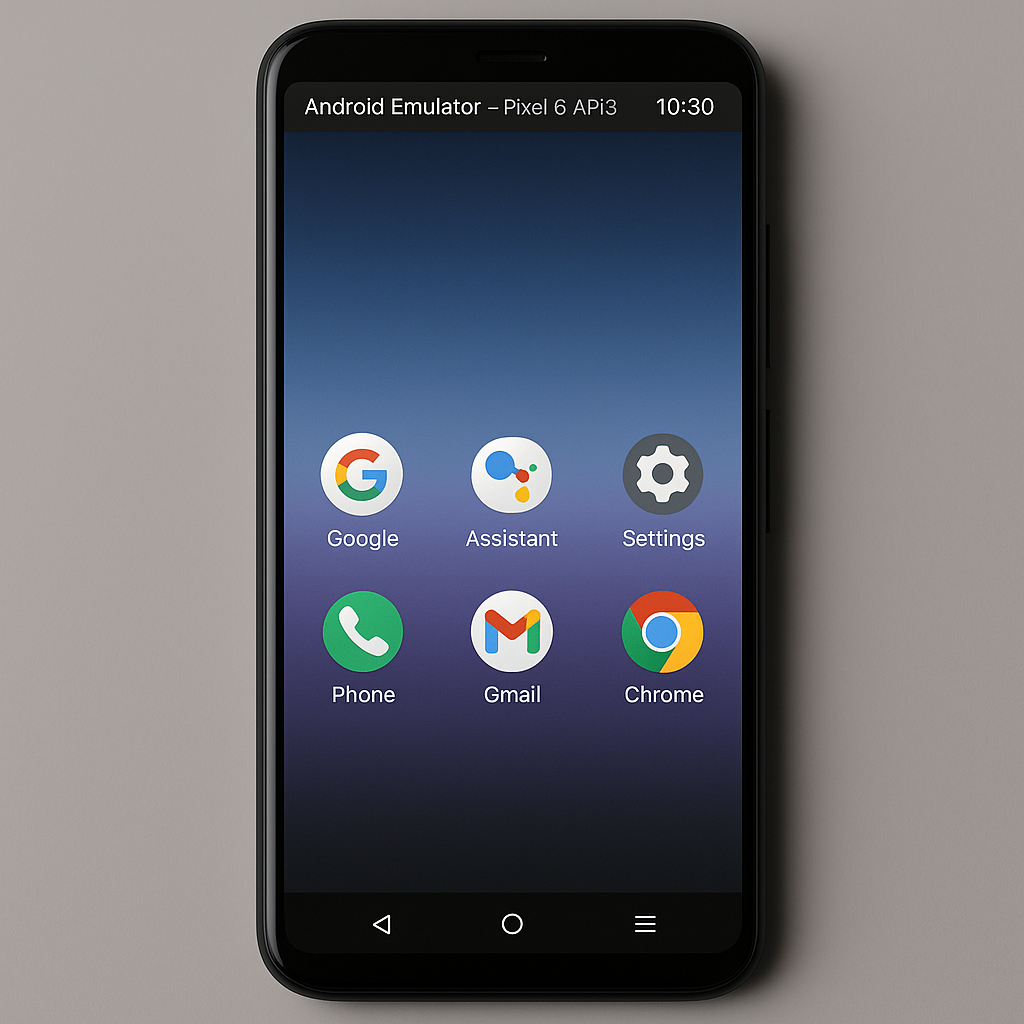
Mobile access to retro gaming has been boosted by the popularization of powerful devices and open OSes. On Android, applications like RetroArch and Lemuroid manage a wide range of platforms, taking advantage of hardware acceleration to offer polished rendering.
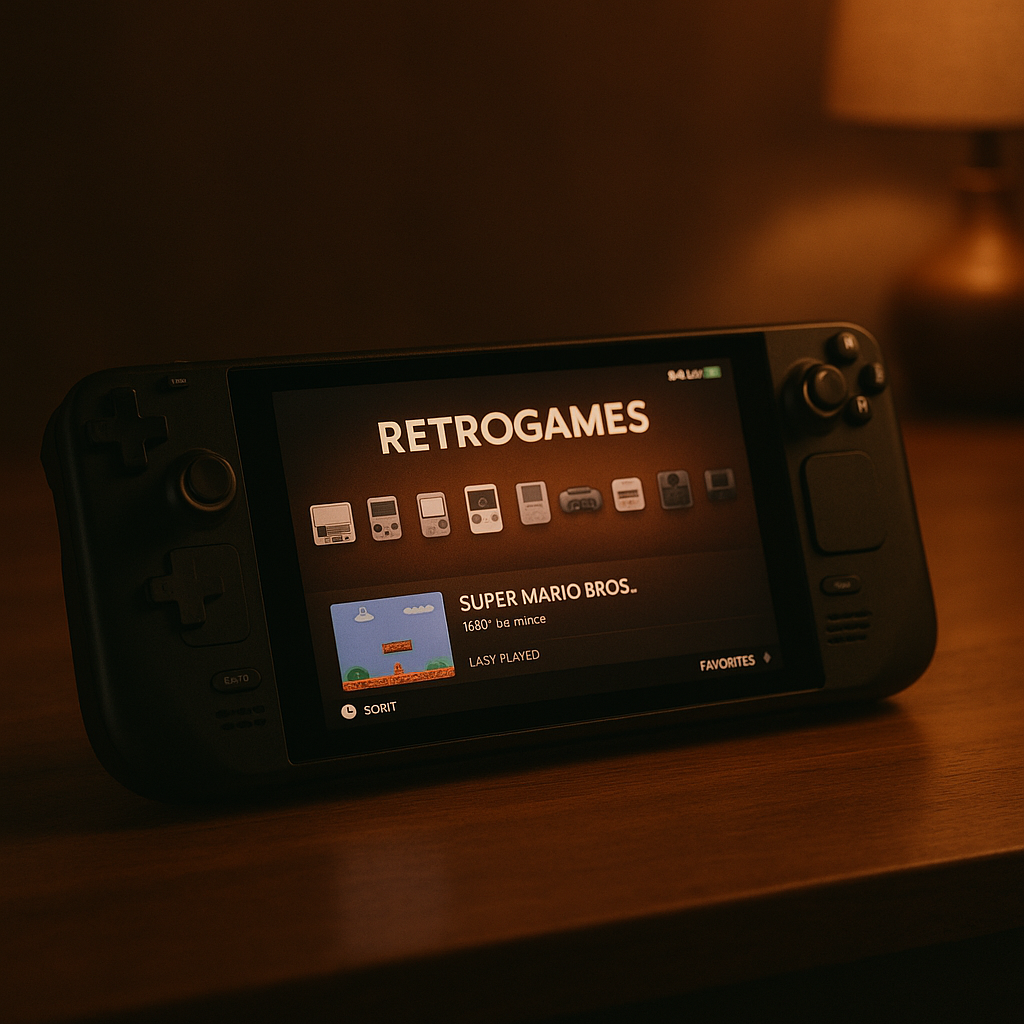
The Steam Deck, for its part, has established itself as an ideal companion for fans of old titles: its optimal configuration pre-installed with Linux SteamOS facilitates the integration of frontends and offers ready-to-use control mapping.
- Full access to files, without manufacturer lock-in.
- Possibility of dual-boot to Windows to maximize compatibility.
- Battery optimized for long sessions at 60 fps.
Front-ends & shaders
At a time when customization is key, frontends like RetroArch allow centralizing all cores (emulators) under the same interface. You can apply CRT shaders, sharpness filters, and color presets to recreate the look of an old cathode ray tube TV.
Batocera complements this offering by providing a turnkey distribution on an SD card: a minimal investment for a system dedicated to retro gaming, without touching your PC’s main drive.
Necessary Hardware 2025
| Component | 2025 Recommendation |
|---|---|
| CPU | Quad-core 3.2 GHz or higher to handle multi-threading |
| GPU | NVIDIA RTX or latest generation AMD Radeon for upscaling |
| RAM | 16 GB DDR4/DDR5 for smoothness and multitasking |
| Storage | NVMe SSD for near-instant loading times |
Although some projects run on modest hardware, aiming for a recent setup guarantees a smooth experience, especially when activating real-time AI upscaling techniques.
Trends: AI upscaling, netplay rollback
Artificial intelligence algorithms today contribute to real-time adaptation of textures, polygon smoothing, and noise reduction, offering rendering close to high definition despite the original 90s code. Moreover, the widespread adoption of rollback netcode eliminates latency for smoother online matches, even on arcade cabinets or retro fighting games.
« The future of emulation will not only lie in faithful reproduction but in dynamic enhancement, without betraying the original work. »
Between technical optimizations and respect for original gameplay, this duality drives emulation toward new horizons.
Conclusion
In 2025, emulation is no longer confined to amateur tinkering: it has become an essential part of video game preservation. Whether it’s revisiting PS2 classics or rediscovering the 3DS library, the scene benefits from unprecedented vitality. It is up to each individual to navigate legality, performance, and passion to keep the joy of video games alive well beyond their initial release.
Frequently Asked Questions
What precautions should be taken to emulate legally?
Owning the original game, creating your own dump, and limiting the distribution of ROMs are the keys to staying within a legal framework.
Which PS2 emulator to choose in 2025?
PCSX2 2.0 remains the reference thanks to its multi-thread support and advanced settings for upscaling.
Is the Steam Deck suitable for retro gaming?
Absolutely: its Linux flexibility, native mapping, and battery life make it an ideal platform for playing via emulation.
How to benefit from AI upscaling?
By enabling the AI shaders available in your emulator’s options or via cores compatible with RetroArch.
Is a very powerful PC necessary?
A recent configuration with a quad-core CPU at 3 GHz, 16 GB of RAM, and an NVMe SSD covers most needs for 2025.
